In an era where travelers are bombarded with thousands of destination images daily, tourism marketers face an unprecedented challenge: how do you make your destination not just seen, but felt? The answer lies in an emerging trend that's reshaping the industry—storyliving.
While storytelling has long been the gold standard in tourism marketing, storyliving takes this concept several steps further. It's not about narrating a destination's history or showcasing its attractions; it's about creating immersive experiences that allow potential visitors to emotionally inhabit a place before they ever book a ticket.
From Passive Viewing to Active Experience
Traditional tourism videos typically follow a familiar formula: sweeping aerial shots, smiling tourists, iconic landmarks, and perhaps a voiceover listing amenities. These videos tell a story, but they keep viewers at arm's length. Storyliving campaigns, by contrast, position the viewer as the protagonist.
Consider the difference between watching a video about a Parisian café and experiencing one through first-person perspective footage, complete with ambient sounds of conversation, the aroma of fresh croissants described through evocative narration, and the tactile sensation of cobblestones suggested through careful visual choices. The latter doesn't just show Paris—it invites you to live a moment there.
The Psychology Behind the Shift
The effectiveness of storyliving taps into fundamental aspects of human psychology. When we observe experiences from a first-person perspective, our brains activate similar neural pathways as if we were having the experience ourselves. This phenomenon, known as embodied cognition, makes storyliving campaigns remarkably powerful tools for emotional connection.
Moreover, storyliving addresses the modern traveler's desire for authenticity. Today's tourists, particularly Millennials and Gen Z, are less interested in checking boxes of must-see attractions and more focused on genuine cultural experiences. They want to eat where locals eat, explore hidden neighborhoods, and engage with communities. Storyliving content speaks directly to these aspirations by showcasing real moments rather than polished postcards.
This approach also combats decision fatigue. With countless options available, travelers often feel overwhelmed. A well-crafted storyliving campaign doesn't just add to the noise—it cuts through it by creating an emotional anchor, a specific feeling or moment that a traveler can imagine themselves experiencing.
Key Elements of Effective Storyliving Campaigns
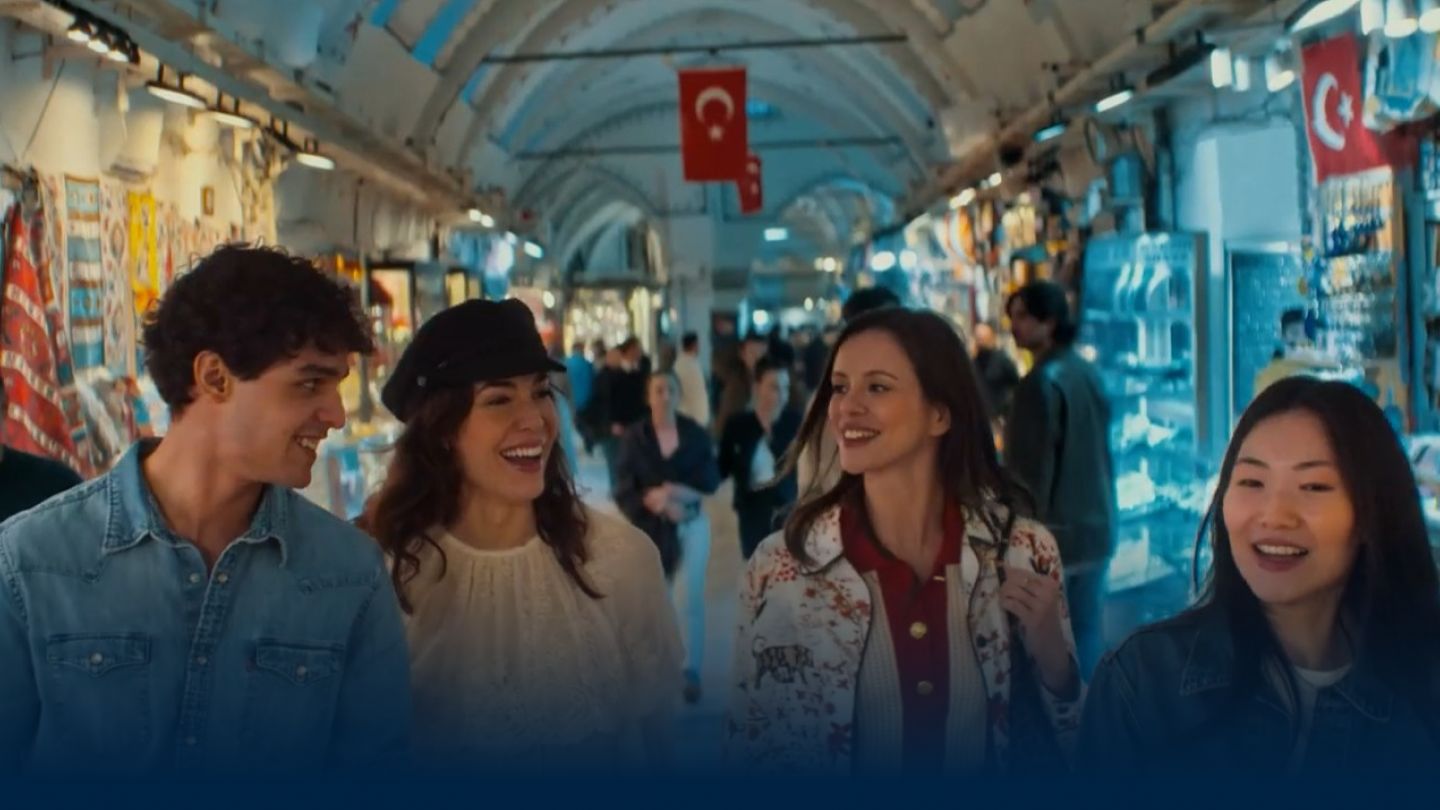
Sensory Richness: Storyliving videos leverage all available sensory channels. This means carefully designed soundscapes that transport viewers—the crunch of snow underfoot, the calls of street vendors, the rustle of market stalls. It means visual choices that evoke texture and temperature.
Point-of-View Consistency: The most successful storyliving campaigns maintain a consistent perspective throughout, typically first-person or intimate third-person. This consistency is crucial—breaking the spell with sudden aerial shots or wide establishing shots can jar viewers out of the immersive experience.
Emotional Narrative Arc: While storyliving isn't traditional storytelling, it still benefits from emotional structure. The best campaigns take viewers on a journey—from anticipation to discovery to fulfillment. This might be as simple as the progression from arriving in a new place, to moments of wonder and connection, to the bittersweet feeling of departure.
Technology Enabling the Transformation
The rise of storyliving has been enabled by several technological advances. 360-degree cameras and virtual reality headsets allow for truly immersive first-person experiences. Spatial audio technology creates realistic soundscapes that respond to head movement.
Artificial intelligence is also playing a growing role, with AI-powered personalization allowing destination marketing organizations to create multiple versions of storyliving content tailored to different traveler profiles. An adventure seeker might experience a destination through hiking trails and extreme sports, while a culinary tourist encounters the same place through its markets and restaurants.
The Future of Destination Marketing
As we look ahead, storyliving seems poised to become not just a trend but a fundamental shift in how destinations communicate with potential visitors. The next evolution may involve even deeper personalization, with AI creating custom storyliving experiences based on individual preferences and past travel history.
We're also likely to see greater integration of user-generated storyliving content. Rather than relying solely on professionally produced videos, destinations may curate and amplify the immersive content created by actual visitors, adding layers of authenticity and diverse perspectives.
Embracing the Shift
For tourism marketers, the message is clear: the age of passive destination promotion is ending. Today's travelers don't want to be told about a place—they want to feel it, imagine themselves within it, and emotionally invest before they physically arrive.
Storyliving represents more than just a new marketing technique; it's a recognition that the decision to travel is fundamentally emotional. By creating content that allows people to preview not just what they'll see but how they'll feel, destination marketers can forge deeper connections and inspire more meaningful travel.
As the tourism industry continues to evolve in an increasingly digital and experience-focused world, those who master the art of storyliving will find themselves not just competing more effectively but fundamentally redefining what it means to inspire wanderlust. The future of tourism marketing isn't about showing destinations—it's about inviting travelers to live them, one immersive moment at a time.