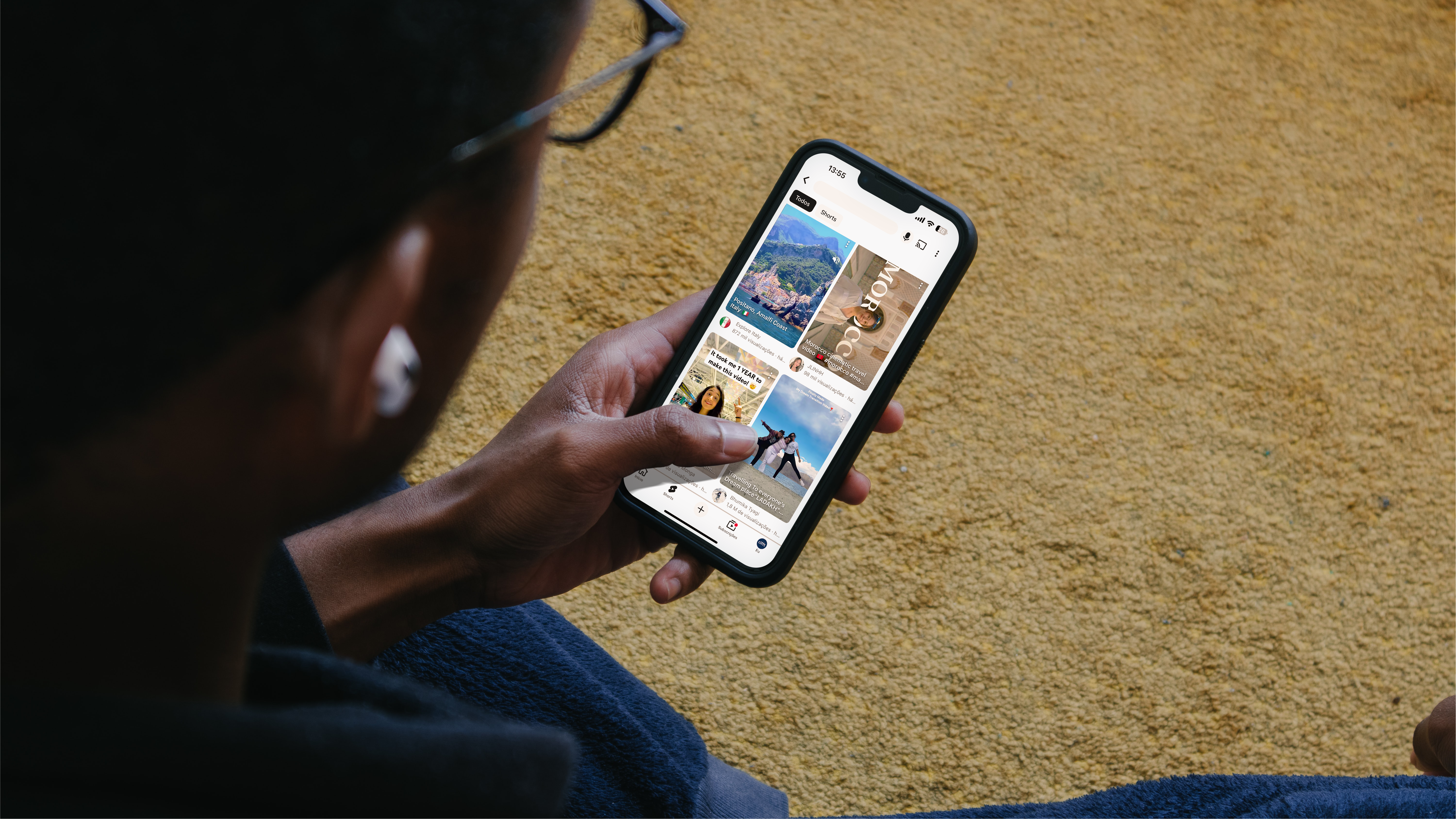
Video has become one of the most influential tools shaping how audiences discover, evaluate, and engage with brands online. For the tourism sector in particular, where decisions are driven by emotion, trust, and visual storytelling, video plays a decisive role throughout the customer journey.
The 2026 edition of Wyzowl’s State of Video Marketing report offers a clear, data-driven snapshot of how organizations are using video today, the barriers they continue to face, and the results they are achieving.
The findings provide tourism organizations with a practical benchmark for aligning future video strategies with evolving audience expectations and industry best practices.
Video Marketing Adoption in 2026
Video marketing usage remains consistently high across industries:
- 91% of businesses use video as a marketing tool
- 93% of video marketers consider video an important part of their overall strategy
Among businesses not currently using video, intent to adopt remains strong. 67% of marketers who did not use video previously state that they plan to begin using it in 2026, reinforcing the continued expansion of video marketing across the market.
Barriers to Video Marketing Adoption
While adoption levels are high, some organizations still face implementation obstacles. The most commonly cited reasons for not using video marketing are:
- Perceived lack of need (24%)
- Perceived high costs (24%)
- Lack of time (19%)
Additional barriers include uncertainty around return on investment (10%), not knowing how to begin (10%), and difficulty gaining internal approval from decision-makers (5%).
Types of Video Content Being Produced
Video is being applied across a wide range of marketing and operational use cases. In 2026, the most commonly produced video formats are:
- Social media videos (69%)
- Explainer videos (68%)
- Customer testimonial videos (57%)
- Presentation videos (48%)
- Video advertisements (48%)
- Teaser videos (45%)
- Product demonstration videos (39%)
- Sales-focused videos (37%)
Additional formats such as videographics, customer service videos, training content, onboarding videos, and app demonstrations reflect the increasing role of video beyond promotion, supporting customer experience and internal processes.
For tourism organizations, this breadth of formats highlights the opportunity to use video throughout the customer journey — from inspiration and consideration to post-booking support.
The Role of AI in Video Marketing
Artificial intelligence has become an established component of video production workflows:
- 63% of video marketers report using AI tools to create or edit marketing videos
AI adoption is primarily driven by efficiency gains, enabling faster content creation, editing, and adaptation across platforms. For tourism brands managing multiple destinations, markets, or seasonal campaigns, AI offers a practical way to scale video output while maintaining consistency.
Video Marketing Budgets and Cost Trends
Investment in video marketing remains stable:
- 46% of marketers allocate a third or less of their total marketing budget to video
- 92% plan to maintain or increase video marketing spend in 2026
Perceptions of video-related costs vary:
- 30% believe costs are decreasing
- 32% report no significant change
- 38% believe costs are increasing
Despite mixed views on cost trends, the majority of organizations continue to prioritise video, indicating confidence in its value relative to other marketing channels.
Measuring Success: ROI and Performance Indicators
Video marketing continues to deliver measurable business outcomes:
- 82% of marketers report a positive return on investment
- 93% say video improves customer understanding of products or services
- 93% report increased brand awareness
- 82% report increased website traffic
- 85% say video helps generate leads
- 83% report direct sales impact
- 82% say video increases time spent on their website
In terms of format effectiveness, 71% of respondents consider videos between 30 seconds and 2 minutes to be the most effective, reinforcing the importance of concise, focused content.
Consumer Perspectives on Video Content
Consumer behaviour continues to support increased investment in video:
- 96% have watched an explainer video to learn more about a product or service
- 89% say video quality affects their trust in a brand
- 85% have been influenced to purchase after watching a video
- 84% want to see more video content from brands in 2026
- 80% have purchased or downloaded an app after viewing a video
When asked about preferred learning formats, 63% of consumers favour short videos over other content types.
For tourism brands, where trust, clarity, and emotional engagement are critical, these findings underline the importance of maintaining high production standards and clear messaging.
Implications for the Tourism Industry
The findings from The State of Video Marketing 2026 confirm that video remains a strategic priority for organizations. High adoption rates, strong performance results, and continued consumer demand indicate that video plays a central role in today’s business landscape.
For tourism brands, the key takeaway is simple: simply using video is no longer enough. Organizations that focus on clear planning, good-quality content, and the right mix of skills, tools, and budget are better placed to engage audiences, build trust, and turn interest into bookings in an increasingly competitive digital environment.